
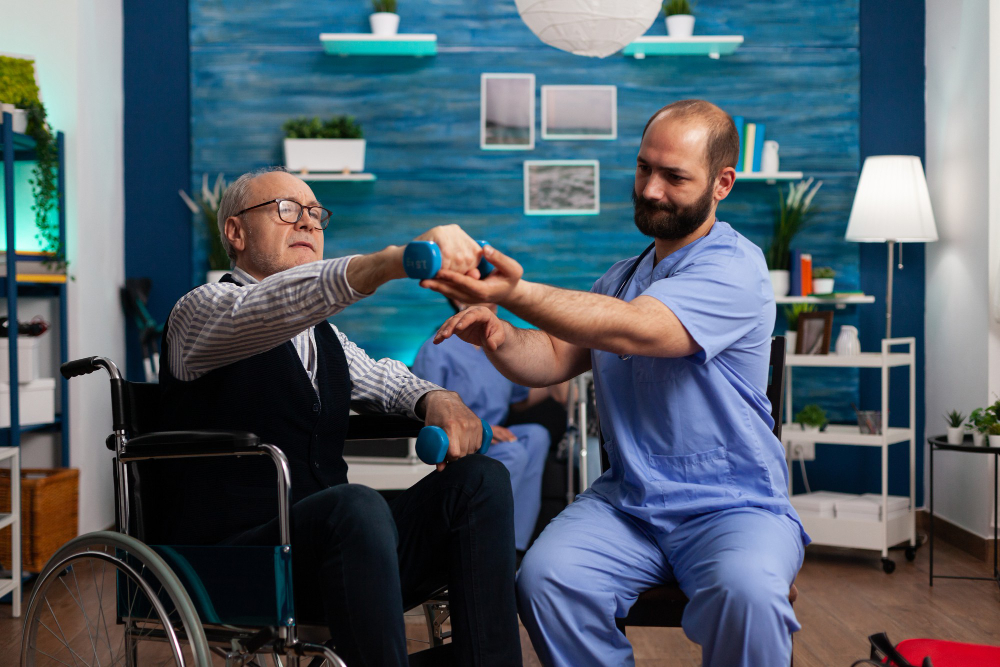
Introduction: Understanding Paralysis and Rehabilitation
Paralysis means losing the ability to move part of your body. It can happen suddenly or over time. For many people, paralysis rehab is the key to rebuilding strength and regaining movement. With the right support, you can improve your quality of life. Rehabilitation helps you learn new ways to move and care for yourself. It also gives hope for recovery, even if progress is slow.
Symptoms and Effects of Paralysis
Paralysis affects each person differently. Some people lose movement in one part of the body, while others may feel weak all over. Often, you may notice:
Because of these changes, daily life can become challenging. However, with proper paralysis rehabilitation, many people see improvement over time.
Common Causes of Paralysis
There are several reasons why paralysis can occur. Some of the most common causes include:
Sometimes, paralysis is temporary. Other times, it may be permanent. Early treatment can make a big difference in recovery.
How Is Paralysis Diagnosed?
Doctors use several steps to diagnose paralysis. First, they ask about your symptoms and medical history. Next, they perform a physical exam. Often, they may order tests such as:
With these tools, doctors can find the cause and plan the best treatment. Early diagnosis helps start paralysis rehab sooner, which can improve results.
Step-by-Step Rehab Process for Paralysis
Rebuilding strength after paralysis takes time and patience. However, following a step-by-step rehab plan can help you make steady progress. Here is how the process usually works:
1. Initial Assessment
First, a rehab team checks your strength, movement, and needs. They may include doctors, physiotherapists, and occupational therapists. This step helps set a starting point for your recovery.
2. Goal Setting
Next, you and your team set clear, realistic goals. For example, you might aim to stand, walk, or dress yourself. Setting goals keeps you motivated and focused.
3. Physical Therapy Techniques
Physical therapy is a key part of paralysis rehabilitation. Therapists use many methods, such as:
Because each person is different, your therapy plan will be unique to you.
4. Use of Assistive Devices
Sometimes, you may need special tools to help you move. These can include:
With the right devices, you can do more on your own and stay safe.
5. Progress Tracking
Throughout rehab, your team will track your progress. They may adjust your plan as you improve. Regular check-ins help you stay on track and celebrate small wins.
Lifestyle Guidance: Tips for Daily Living and Motivation
Living with paralysis can be tough, but small changes can make daily life easier. Here are some helpful tips:
Because recovery can be slow, it is important to celebrate every step forward. Remember, you are not alone in this journey.
Preventing Complications: Skin, Joint, and General Health
Paralysis can cause other health problems if not managed well. To prevent complications, try these steps:
With good care, you can lower the risk of problems and stay healthier.
When to Seek Professional Help
If you notice new symptoms, pain, or changes in your health, contact your doctor right away. Also, if you feel sad or overwhelmed, reach out for support. Rehab specialists and therapists can guide you through each step of paralysis recovery. Many paralysis rehab centers near you offer expert help and resources.
Conclusion
Paralysis rehab is a journey that takes time, effort, and support. However, with the right steps, you can rebuild strength and improve your life. Consult a rehabilitation specialist for personalized guidance on paralysis recovery at Sai Ranyata Physiotherapy & Pain Management Clinic.