
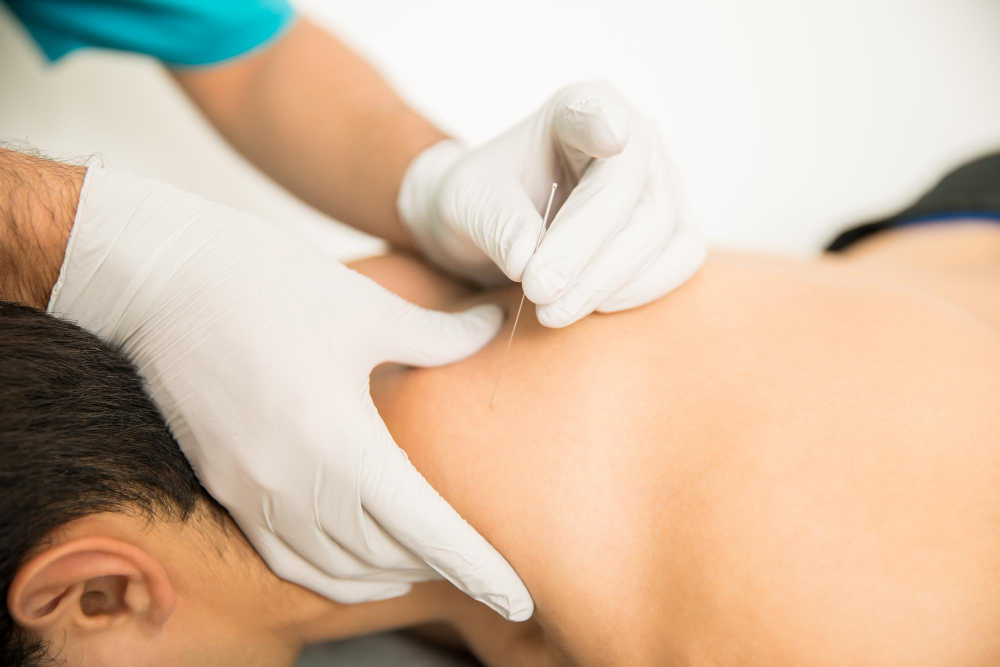
Dry needling for muscle tension & pain relief is a modern therapy used by many physiotherapists. It helps reduce muscle pain and tightness. This technique uses thin needles to target trigger points in your muscles. As a result, many people find relief from pain and stiffness. In this blog, you will learn what dry needling is, how it works, its benefits, and how safe it is.
What is Dry Needling?
Dry needling is a treatment that uses very thin needles. These needles are inserted into tight or painful spots in your muscles, called trigger points. Unlike acupuncture, dry needling is based on modern science and focuses on muscle pain. Many physiotherapists use this method to help with muscle pain, tension, and injuries. It is often part of a larger pain relief or physiotherapy plan.
How Does Dry Needling Relieve Muscle Tension and Pain?
When a needle is placed into a trigger point, it helps relax the muscle. This can reduce pain and improve movement. For example, the needle may cause a small twitch in the muscle. This twitch helps release tightness. In addition, dry needling can increase blood flow to the area. Better blood flow helps your body heal faster. Many people feel less pain and more comfort after a session.
Benefits of Dry Needling
Dry needling offers several benefits for people with muscle pain or tension. Some of the main benefits include:
Moreover, dry needling can be used along with other treatments, such as exercise or massage. This combination often leads to better results.
The Dry Needling Procedure: What to Expect
Before your session, your physiotherapist will ask about your pain and health history. Next, they will find the tight or sore spots in your muscles. During the procedure, they will insert thin, sterile needles into these areas. You may feel a quick pinch or a twitch in the muscle. However, most people say the discomfort is mild and short-lived. After the session, you might feel sore for a day or two. This is normal and usually goes away quickly.
Safety, Risks, and Side Effects
Dry needling is considered safe when done by a trained professional. However, like any treatment, there are some risks. Possible side effects include:
To reduce risks, always choose a licensed physiotherapist. The World Health Organization (WHO) and other health groups recommend using only sterile needles and proper technique. If you have a bleeding disorder or are pregnant, let your therapist know before starting.
Who Can Benefit from Dry Needling?
Many people with muscle pain or tension can benefit from dry needling. For instance, it may help if you have:
However, dry needling may not be right for everyone. Always talk to your physiotherapist to see if it fits your needs.
Tips for Safe and Effective Treatment
By following these tips, you can help ensure a safe and effective experience.
Frequently Asked Questions (FAQs)
In summary, dry needling for muscle tension & pain relief can be a helpful option for many people. It is safe, effective, and often used with other treatments. Consult a licensed physiotherapist at SAI RANYATA PHYSIOTHERAPY & PAIN MANAGEMENT CLINIC to see if dry needling is right for your muscle pain or tension.