
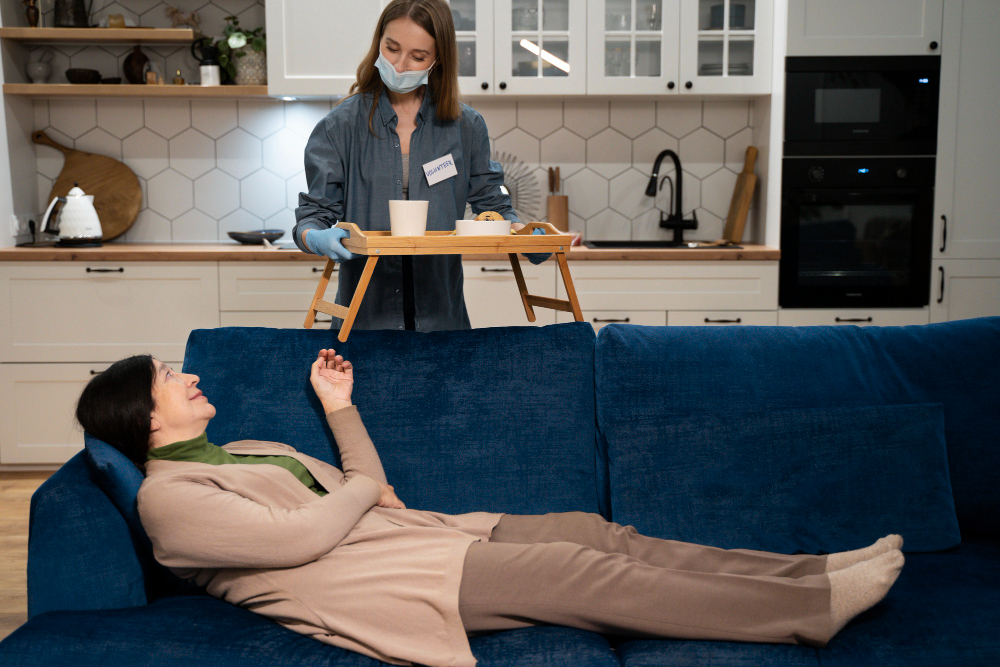
Living with pain can make daily life hard. However, simple home modifications for pain-free living can help you feel better every day. In this guide, you will find pain-free home tips, physiotherapy home advice, and easy home changes for comfort. These ideas come from experts in physical medicine and rehabilitation. Let’s explore how small changes can make a big difference in your comfort and safety at home.
Understanding Pain and Its Triggers at Home
Pain can come from many sources. Sometimes, it is due to old injuries or health conditions. Other times, your home setup may cause discomfort. For example, poor lighting or cluttered spaces can make moving around harder. In addition, awkward furniture or slippery floors can trigger pain. According to the CDC, many falls and injuries happen at home. Therefore, knowing what causes pain is the first step to fixing it.
Why Home Modifications Matter
Simple changes at home can help reduce pain and prevent injuries. In fact, the World Health Organization (WHO) says that a safe home environment supports better health. When you make your home safer, you can move more easily and feel less pain. Moreover, these changes can help you stay independent for longer. Even small adjustments can lead to big improvements in comfort and safety.
Room-by-Room Guide to Simple Modifications
Living Room
Bedroom
Kitchen
Bathroom
Entryways
Ergonomic Tips for Daily Activities
Good posture can help prevent pain. For example, when sitting, keep your feet flat on the floor. Also, use a chair that supports your lower back. When lifting objects, bend your knees and keep your back straight. In addition, take breaks often to stretch and move around. These simple habits can make daily tasks easier and less painful.
Affordable Tools and Aids for Comfort
You do not need expensive equipment to feel better at home. Many affordable tools can help:
Most of these aids are easy to find at local stores or online. They can make daily life more comfortable and safe.
Safety and Fall Prevention Strategies
Falls are a leading cause of injury at home, especially for older adults. Therefore, it is important to take steps to prevent them. Here are some tips:
According to the CDC, these simple steps can greatly reduce your risk of falls and injuries.
When to Consult a Physiotherapist
Sometimes, home changes are not enough. If you still feel pain or have trouble moving, it may be time to see a physiotherapist. They can assess your needs and suggest personalized home modifications. Moreover, they can teach you safe ways to move and exercise. Early advice from a professional can help prevent further problems and improve your quality of life.
Consult SAI RANYATA PHYSIOTHERAPY & PAIN MANAGEMENT CLINIC for personalized home modification advice.